
Unseen waste often poses a significant challenge for property managers and business owners. With efficient waste management being more critical than ever, understanding the complexities of waste disposal can save both time and resources. This exploration into the intricate processes of waste detection and disposal aims to provide valuable insights into the unseen world of waste management, emphasizing the expertise needed to tackle this often-overlooked issue.
Understanding Waste Composition
Effective waste management begins with understanding the composition of waste. Different types of waste require specific disposal methods to ensure safety and compliance with regulations. Industry professionals categorize waste into several categories:
- Organic Waste: Includes food scraps and garden waste, which can be composted.
- Recyclable Waste: Encompasses paper, glass, and certain plastics that can be processed for reuse.
- Hazardous Waste: Consists of chemicals and materials that require special handling.
Sorting waste correctly not only aids in recycling efforts but also reduces the amount of waste sent to landfills.
Regulatory Compliance and Best Practices
Compliance with local and national regulations is essential in waste management. Industry standards often dictate the correct disposal methods for various waste types. Some key best practices include:
- Regular waste audits to identify the types and volumes of waste generated.
- Implementation of a waste reduction plan to minimize overall waste production.
- Ensuring all hazardous waste is handled by certified professionals to prevent environmental contamination.
These practices not only ensure compliance but also promote sustainable waste management.
Advantages of Professional Dumpster Services
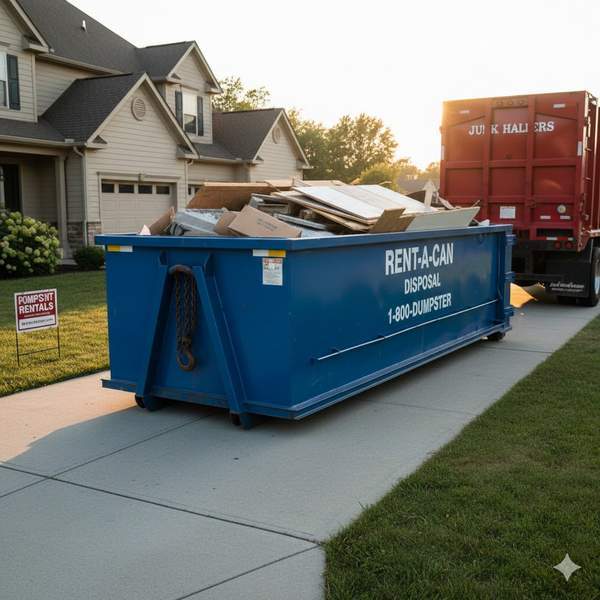
Engaging professional dumpster services can offer numerous benefits. These providers have the expertise to manage complex waste disposal tasks efficiently. Advantages include:
- Access to a variety of dumpster sizes to suit different waste volumes.
- Regular collection schedules that ensure timely waste removal.
- Expert advice on waste management strategies, including recycling and waste reduction.
Partnering with experienced providers ensures that waste management is both effective and environmentally responsible.
In summary, understanding the complexities of waste composition and adhering to regulatory standards are crucial for effective waste management. Professional dumpster services offer the expertise and resources necessary to handle these tasks efficiently, ensuring both compliance and sustainability. Engaging with such services can provide peace of mind and contribute to a cleaner environment.
Recent Comments